Frequently Asked Questions (FAQs)

Why is the TR413 considered the industry-standard valve stem?
The TR413 matches the two most common wheel specs: the 0.453-inch valve hole and 1-1/2-inch overall length. The vast majority of domestic passenger cars, light trucks, and SUVs use these dimensions, so the TR413 fits most shop scenarios without measuring or special ordering.
What size valve hole and length does the TR413 use?
The TR413 fits a 0.453-inch (11.5mm) valve hole at a 1-1/2-inch overall length, the standard on most North American passenger cars, light trucks, and SUVs. If your wheel has a 0.625-inch hole, use the TR415. For a narrow 0.350-inch hole, use the TR438.
What is the TR413 made of?
The body is EPDM synthetic rubber, required by SAE J1205/J1206 standards for its superior resistance to ozone, UV, and temperature extremes compared to natural rubber. It stays pliable in cold weather and will not crack under normal use. The chrome-plated brass Schrader core comes pre-installed.
Can the TR413 be used on TPMS-equipped wheels?
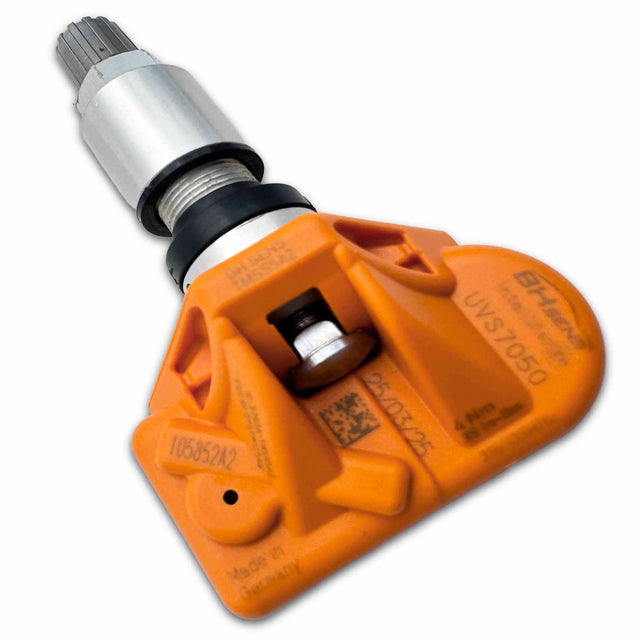
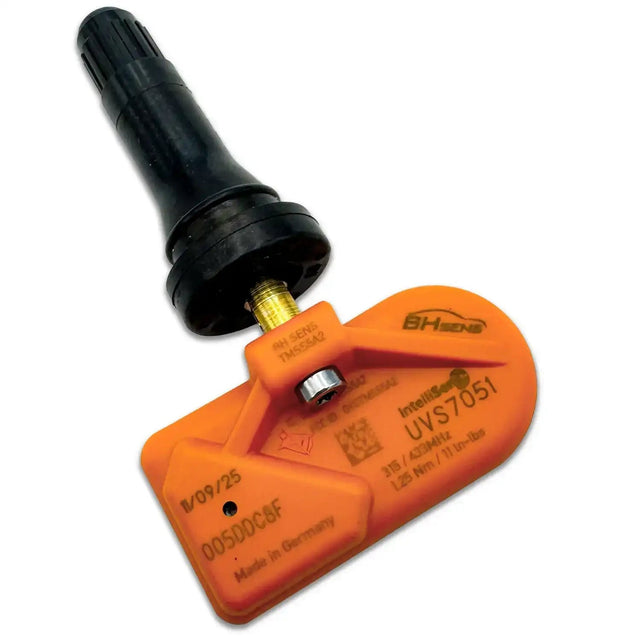
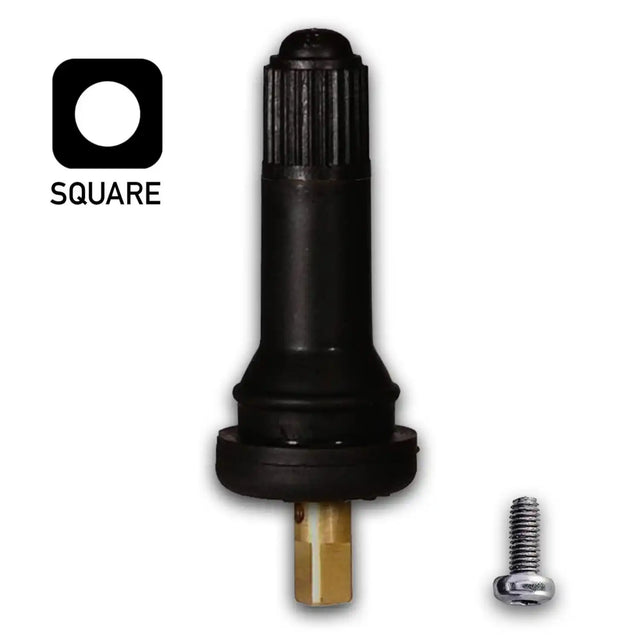
No. TPMS sensors require a dedicated TPMS valve stem, either rubber snap-in or clamp-in metal depending on the sensor. A standard TR413 will not support the sensor and will prevent the system from reading pressure correctly.
How often should valve stems be replaced?
OEM guidelines and tire industry best practices recommend replacing rubber valve stems every time new tires are mounted. Rubber degrades from ozone exposure, heat cycling, and age, which can cause slow leaks even when the tire itself is fine.

TR413 Rubber Snap-In Tire Valve Stem - 0.453" - 25 Valves

    Product form

    The TR413 is the most widely-used rubber snap-in tire valve stem in the industry - a standard-length, standard-hole stem that fits virtually all passenger cars, light trucks, and SUVs. The 1-1/2" length and 0.453" valve hole covers the broad majority of domestic and import wheel applications.

    • Overall Length: 1-1/2" - the standard length for most passenger car, light truck, and SUV applications.
    • Valve Hole: 0.453" - fits the standard diameter found on the vast majority of domestic and import wheels.
    • Max Cold Pressure: 65 PSI - rated for all standard passenger car and light truck inflation pressures.
    • EPDM Rubber Body: Weather and ozone-resistant compound provides a reliable airtight seal in all operating conditions.
    • Standard Schrader Core: Chrome-plated core for consistent, leak-free inflation and deflation.
    • Pack Size: Sold in 100-piece bags - standard shop quantity for tire service operations.
    Read More
     

    Quantity:

    Free Shipping! or Pickup at Pomona Warehouse

    Frequently Asked Questions (FAQs)

    Why is the TR413 considered the industry-standard valve stem?
    The TR413 matches the two most common wheel specs: the 0.453-inch valve hole and 1-1/2-inch overall length. The vast majority of domestic passenger cars, light trucks, and SUVs use these dimensions, so the TR413 fits most shop scenarios without measuring or special ordering.
    What size valve hole and length does the TR413 use?
    The TR413 fits a 0.453-inch (11.5mm) valve hole at a 1-1/2-inch overall length, the standard on most North American passenger cars, light trucks, and SUVs. If your wheel has a 0.625-inch hole, use the TR415. For a narrow 0.350-inch hole, use the TR438.
    What is the TR413 made of?
    The body is EPDM synthetic rubber, required by SAE J1205/J1206 standards for its superior resistance to ozone, UV, and temperature extremes compared to natural rubber. It stays pliable in cold weather and will not crack under normal use. The chrome-plated brass Schrader core comes pre-installed.
    Can the TR413 be used on TPMS-equipped wheels?
    No. TPMS sensors require a dedicated TPMS valve stem, either rubber snap-in or clamp-in metal depending on the sensor. A standard TR413 will not support the sensor and will prevent the system from reading pressure correctly.
    How often should valve stems be replaced?
    OEM guidelines and tire industry best practices recommend replacing rubber valve stems every time new tires are mounted. Rubber degrades from ozone exposure, heat cycling, and age, which can cause slow leaks even when the tire itself is fine.

      Recently Viewed

        Account Access

        Forgot your password?

        Create Account
        Fast Checkout, Past Orders & Deals!