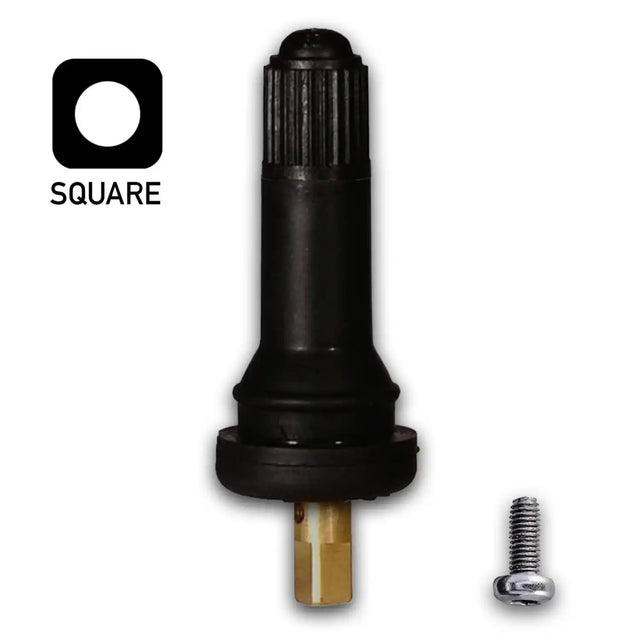
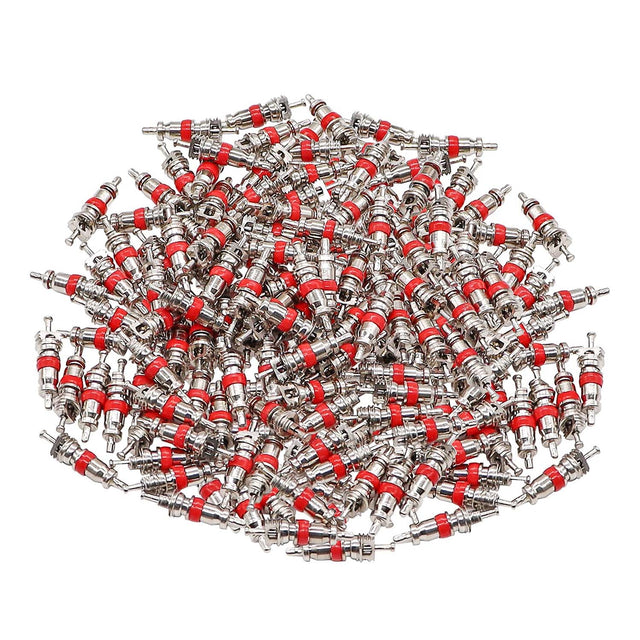
Válvula de neumático de goma TR412 de inserción a presión - 0,453" - 25 Válvulas

SKU: A2Z-412-25


    Quantity:

      Detalles de la válvula de inserción

      La TR412 es una válvula de neumático de perfil corto de caucho con inserción a presión para neumáticos tubeless de automóviles de pasajeros, camiones ligeros y SUV. Se adapta al orificio estándar de 0,453" con una longitud total compacta de 1-1/4", la opción ideal cuando se requiere una altura mínima del vástago.

      • Longitud total: 1-1/4", perfil compacto para bridas de rueda estándar en aplicaciones de automóviles de pasajeros y camiones ligeros.
      • Orificio de la válvula: 0,453", se adapta al diámetro estándar de la mayoría de las ruedas de automóviles de pasajeros y camiones ligeros.
      • Presión máxima en frío: 65 PSI, apta para todos los requisitos estándar de inflado de automóviles de pasajeros y camiones ligeros.
      • Cuerpo de caucho EPDM: El compuesto resistente a la intemperie y al ozono mantiene un sellado hermético en todo momento.
      • Núcleo Schrader estándar: Núcleo tipo Schrader cromado para un funcionamiento constante y sin fugas.
      • Presentación: Se vende en bolsas de 100 unidades, la cantidad estándar para talleres de servicio de neumáticos.

      Preguntas frecuentes

      What is the TR412 made of?
      The body is EPDM synthetic rubber, which is required by SAE standards for snap-in valve stems because it resists ozone, UV exposure, and extreme temperatures far better than natural rubber. It stays flexible in cold weather and will not crack under normal road conditions. The valve core is brass with chrome plating and comes pre-installed.
      What is the maximum inflation pressure?
      The TR412 is rated for a maximum cold inflation pressure of 65 PSI, which covers all standard passenger car and light truck tire requirements. For commercial, high-pressure, or heavy-duty truck applications requiring more than 65 PSI, a metal bolt-in valve stem should be used instead.
      How is the TR412 installed?
      The stem is inserted from the inside of the rim and pulled through the valve hole using a valve installation tool until it snaps securely into place. Do not over-stretch the rubber during installation and make sure the stem is seated straight, not tilted. A proper valve tool is recommended for consistent, undamaged installs.
      Can the TR412 be used on TPMS-equipped wheels?
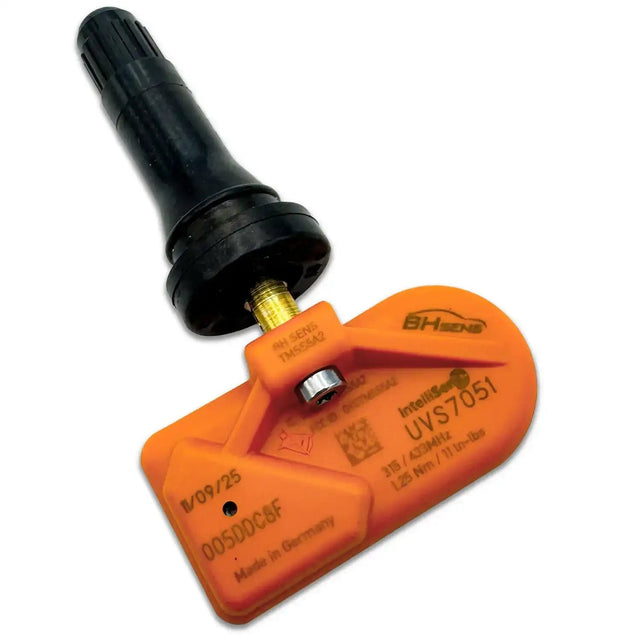
      No. TPMS sensors require a dedicated TPMS valve stem, either a rubber snap-in TPMS valve or a clamp-in metal TPMS valve depending on the sensor. The TR412 is for non-TPMS tubeless wheels only.
      How often should valve stems be replaced?
      Most OEM guidelines and tire industry best practices recommend replacing rubber valve stems every time new tires are mounted. Rubber degrades over time from ozone exposure, heat cycling, and age, which can cause slow leaks even if the tire itself is fine.

      Visto Recientemente

      Ingresa en

      ¿Ha olvidado su contraseña?

      ¿Aún no tienes una cuenta?
      Crear una cuenta